
Do social organizations need PR?
09.02.2026 | KnowledgeAffairs
In Germany alone, more than 600,000 non-governmental organizations (NGOs) work daily to help vulnerable people, animals, and the environment, as stated by the German Foundation Center. According to the 2024 Volunteer Survey conducted by the Federal Chancellery, nearly 27 million volunteers provide food, clean water, education, social participation, and nature conservation.
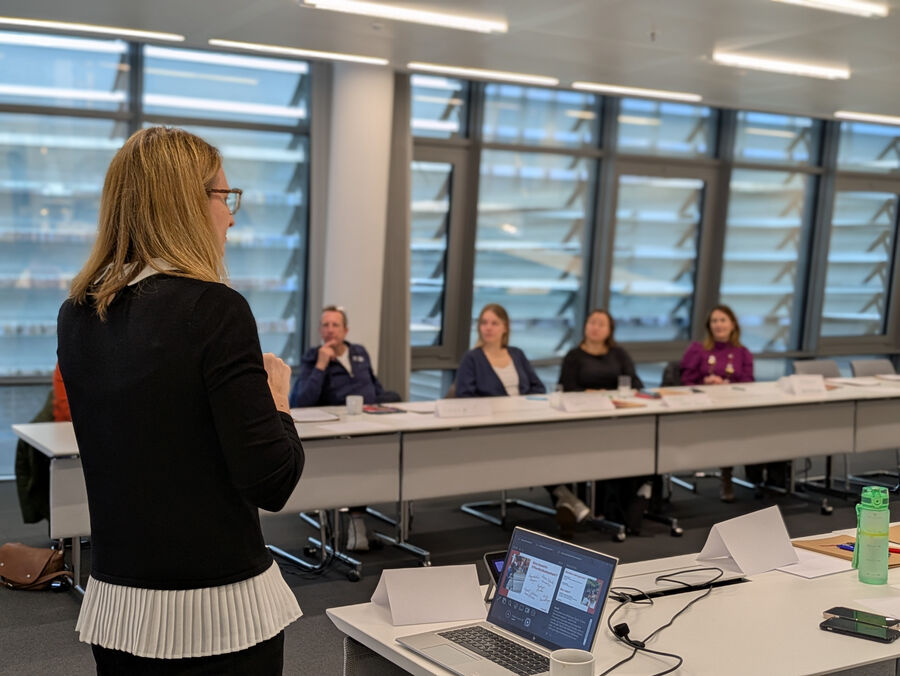
But as great as this commitment is, it often remains invisible. As part of the Skill Share Week organized by “Unternehmen für München”, we discussed with several NGOs how strategic communication can help to gain attention, understanding, and support.
What does PR offer to social organizations?
Unlike advertising, press relations is not about short-term reach, but about sustainable credibility, classification, and impact.
During the workshop, it quickly became clear that many organizations face similar challenges: lack of financial resources, too few volunteers, limited visibility. Since all resources go into the work, there is often little time left for public relations. But when social discourse leads to refugee organizations receiving fewer donations or subsidies, for example, visibility quickly becomes necessary for survival.
Proactive communication instead of waiting
NGOs have unique insights into the needs of socially disadvantaged members of our society. They can approach the media from different perspectives: with new figures or studies, with testimonials from individuals, with specific tips for everyday life, or with a clear expert position on social or political debates.
The visibility of these NGOs is not only crucial for our society, but also for the organizations themselves. For them, communication means informing and creating understanding, but it also aims to motivate people to get involved.
Moving people with storytelling
NGO communication must start with the problem. When we understand problems and feel the urgency of the situation, emotions such as anger or frustration are triggered, and with them a desire to take action. Social organizations can channel this energy, because the good news is that they have already developed solutions to the problems. They bring food to hungry people or bring lonely people together. We just have to support them.
Campaigning expert Julius van de Laar sums it up this way: People take action when concern × vision × first step is greater than resistance to change.
We also find this formula in most of the heroic stories from our childhood: our hero is in crisis, searches for a way out, has an idea, and pursues it. With this type of storytelling, NGOs can not only create understanding for their issues, but also motivate others to spread the word.
In this form of storytelling, it is essential to treat the people portrayed with respect. Suffering must not be exploited. Good NGO communication tells stories with dignity, on an equal footing, and without reducing those affected to their hardship.
👉 Are you an organization or a company that wants to communicate socially important issues strategically? Contact us for an initial consultation.